Bringing Nature to Life: The Versatility of Colorful Decorative Floral Object Craft
There is a specific kind of magic that happens when you blend the organic chaos of nature with structured design. Whether you are a small business owner launching a new line of artisanal soaps, a wedding planner curating invitations for a summer ceremony, or a blogger looking to refresh your site's aesthetic, Colorful Decorative Floral Object Craft offers a bridge between raw natural beauty and polished creativity. This isn't just about slapping a picture of a rose onto a page; it is about utilizing a curated collection of elements—ranging from delicate watercolor washes to bold pencil sketches—to tell a story that resonates with your audience.
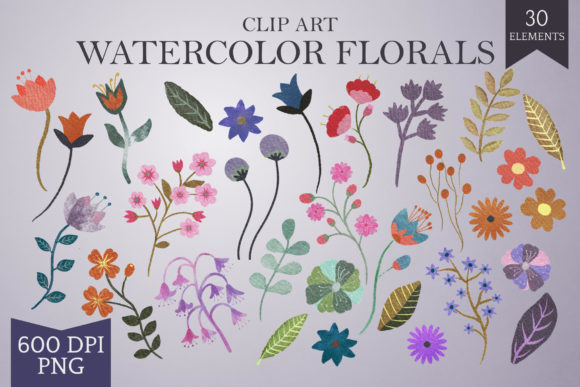
In today's visual landscape, people crave authenticity. They want designs that feel hand-touched rather than mass-produced. This is where the concept of floral object craft shines. It encompasses a wide array of assets, including wildflowers, wild herbs, berries, olives, and classic blooms like sunflowers, roses, and dahlias. When these elements are rendered in styles varying from soft, pale watercolors to high-contrast black and white textures, they become versatile tools for communication. You aren't just decorating; you are setting a mood, defining a brand identity, or marking a significant life event with intention.
From Sketch to Screen: Real-World Applications
The utility of these floral resources extends far beyond simple decoration. Consider the lifecycle of a creative project. A freelance graphic designer might start with a pencil sketch of daisies and grass to create a logo for an organic tea shop. That initial rough texture adds a layer of humanity that vector graphics often lack. Later, that same designer might take those sketched elements, digitize them, and arrange them into a full design kit complete with an alphabet floral set. This allows the client to maintain a consistent brand voice across everything from their packaging to their social media headers.
For educators and publishers, these assets serve as powerful engagement tools. Imagine a children's book about the seasons. Using illustrations of trees, bushes, and specific seasonal blooms helps young readers connect text with visual cues. A teacher creating lesson plans on botany could use detailed drawings of wild foliage and berries to explain plant lifecycles without overwhelming students with dry textbook diagrams. The key here is the balance between accuracy and artistic interpretation. A watercolor background can soften complex information, making it approachable and inviting.
In the commercial sector, the stakes are often higher. A marketing manager for a skincare brand needs to convey purity and natural ingredients. By incorporating images of olives, wild herbs, and pale blossoms into their advertising campaigns, they tap into a subconscious association with freshness and earthiness. This is particularly effective during the spring and summer months when consumer behavior shifts toward lighter, outdoor-oriented products. However, the versatility of these crafts means they aren't limited to warm weather; a stark black and white illustration of bare branches or winter berries can evoke a completely different, yet equally compelling, narrative for holiday promotions.
Elevating Personal Projects and Events
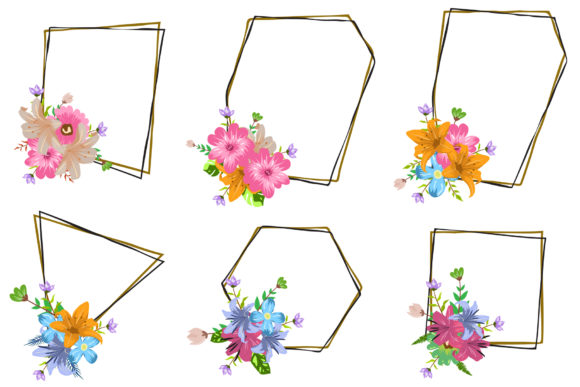
On a personal level, the impact of well-chosen floral elements is profound, especially for milestone events. Wedding invitations are perhaps the most common canvas for this art form. Couples often spend months debating fonts and paper quality, but the illustrative elements often do the heavy lifting in establishing the theme. A boho-style wedding might utilize loose, flowing sketches of wildflowers and grasses, while a formal evening affair might call for structured, detailed renderings of dahlias and roses in deep, rich tones.
The trend toward DIY culture has also empowered everyday users to become creators. With access to digital design kits, a hobbyist can create custom thank-you cards, birth announcements, or party decor that feels bespoke. The availability of different textures—from the grain of a pencil drawing to the fluid bleed of watercolor—allows individuals to match their creations to their personal taste. You might choose a vibrant, colorful arrangement for a birthday celebration or a muted, monochromatic palette for a sophisticated dinner party invitation. The ability to mix and match these elements gives users control over the final emotional resonance of their project.
- Brand Identity: Logos and packaging that utilize botanical elements to signal natural ingredients or eco-friendly values.
- Digital Content: Blog headers, social media posts, and website backgrounds that break up text and add visual interest.
- Print Media: Invitations, greeting cards, and stationery that require a tactile, hand-crafted feel.
- Educational Materials: Visual aids for teaching biology, gardening, or art history concepts.
- Interior Design: Wall art and decor patterns that bring the outdoors inside, creating calming environments.
Choosing the Right Style for Your Needs
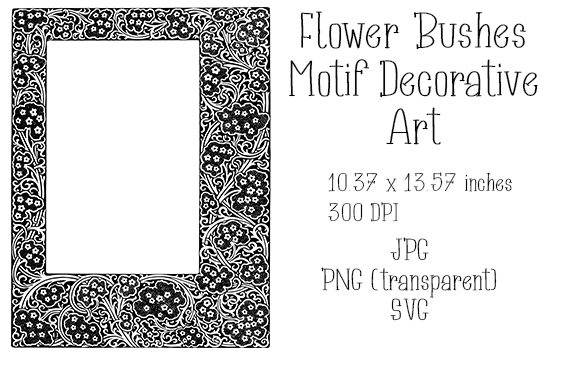
With such a vast array of options available, selecting the right floral objects can feel daunting. The first step is to define the emotion you wish to evoke. Do you need the energy of a blooming sunflower field, or the quiet elegance of a single olive branch? Context is king. If you are designing for a tech startup trying to appear friendly and approachable, a playful, colorful set of daisies might work better than a rigid, realistic botanical study. Conversely, a law firm or financial advisor looking to add a touch of warmth to their branding might opt for subtle, black and white line art that doesn't distract from the core message.
Technical considerations also play a crucial role. If your end product is a large format print, such as a banner or a wall mural, you need high-resolution files with clear textures. Watercolor effects, for instance, rely heavily on the nuance of color blending; low-quality images can make these look muddy or pixelated. On the other hand, if you are working on a web project where load times matter, simplified vector versions of these floral objects might be more appropriate. Many modern design kits offer both raster (pixel-based) and vector formats to accommodate these different needs.
It is also worth considering the seasonality of your design. While flowers are perennial, certain associations are strong. Spring and summer naturally call for blossoms, green grass, and bright colors. Autumn might lean toward dried herbs, berries, and warmer tones. Winter designs often benefit from the stark contrast of black and white sketches or the resilience of evergreen bushes. Aligning your floral choices with the temporal context of your project makes the design feel timely and relevant.
The Power of Texture and Detail
One often overlooked aspect of floral object craft is texture. In a digital world that can sometimes feel flat and sterile, the inclusion of grainy pencil strokes, the wet-on-wet look of watercolor, or the rough edges of a torn paper effect adds depth. These textures mimic the imperfections of the real world, making the design feel more tangible. When a user sees a digital image that retains the "hand" of the artist, they are more likely to engage with it emotionally. This is why a sketch of wild foliage can sometimes be more impactful than a glossy photograph; it invites the viewer to fill in the gaps with their own imagination.
Furthermore, the integration of typography with floral elements creates a unique synergy. An alphabet floral set, where letters are intertwined with vines, leaves, and petals, can serve as a standalone design feature. This is particularly useful for logos or monograms. Imagine a initials logo where the letter "S" is formed by the stem of a sunflower, or an "O" encircled by a wreath of olives. These details transform standard text into a piece of art, reinforcing the brand's commitment to quality and aesthetics.
Ultimately, whether you are a professional designer or someone simply looking to add a splash of color to a home project, the world of colorful decorative floral object craft offers endless possibilities. It allows us to capture the fleeting beauty of a flower blossom and preserve it in a format that can be shared, printed, and enjoyed year-round. By thoughtfully selecting and combining these elements—be it through the gentle fade of a pale watercolor or the bold statement of a textured sketch—you create visuals that not only catch the eye but also speak to the heart.