Unlocking Creativity: The Essential Guide to Painting and Drawing Clipart for Modern Projects
In the vibrant world of digital design and content creation, visual elements serve as the universal language that bridges the gap between an idea and its realization. Among the most versatile and sought-after resources are painting and drawing clipart. These digital illustrations do more than just decorate a page; they evoke emotion, set a tone, and instantly communicate themes related to artistry, education, and craftsmanship. Whether you are a seasoned graphic designer, an art school administrator, or a hobbyist looking to spruce up a homemade invitation, understanding the value and application of high-quality art-themed imagery is essential.
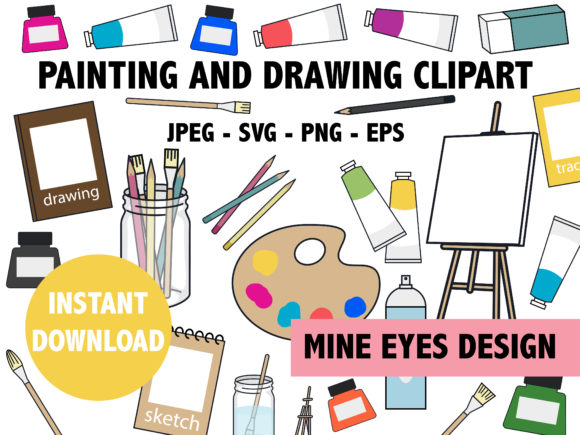
This article explores the significance of painting and drawing clipart, detailing how a comprehensive collection—including pencils, easels, palettes, inks, oil paints, brushes, erasers, and spray paint—can transform your creative projects. We will delve into the practical applications across various sectors, from education to small business marketing, and clarify why file formats matter when selecting assets for your next endeavor.
The Power of Visual Storytelling in Art Education and Community
At its core, art is about expression, but communicating the availability of artistic opportunities requires clear, engaging visuals. This is where specialized clipart becomes indispensable. For art schools and drawing clubs, the challenge often lies in creating materials that resonate with potential students without appearing overly corporate or sterile. Images of traditional tools like an easel loaded with canvas, a wooden palette smeared with colorful oils, or a precise set of pencils immediately signal "creativity" to the viewer.
Consider the scenario of designing a flyer for a weekend workshop. A block of text explaining the curriculum is informative, but it lacks emotional pull. However, pairing that text with a high-resolution illustration of brushes dipped in ink or a can of spray paint creating a dynamic burst of color creates an instant connection. It tells the story of hands-on learning and messy, joyful creation. These visuals help demystify the artistic process for beginners, making the prospect of joining a class feel inviting rather than intimidating.
Furthermore, these images play a crucial role in studio flyers and promotional materials for local artists. In a crowded marketplace, standing out is vital. Using unique, high-quality clipart allows independent painters and studios to maintain a professional aesthetic while showcasing their specific medium. Whether the focus is on the delicate precision of an eraser refining a sketch or the bold texture of oil paint, the right image acts as a visual hook that draws the eye and retains interest.
Diverse Applications Beyond the Canvas
While the primary association with painting and drawing clipart is naturally linked to fine arts, their utility extends far beyond the gallery wall. In modern life, these assets are pivotal in sectors as diverse as textile design, event planning, and digital publishing.
Sewing parties and craft groups, for instance, often overlap with the artistic community. Participants in these gatherings appreciate the aesthetic of handcrafted tools. Incorporating images of pencils marking fabric or palettes representing color choices can enhance newsletters and invitations for these events, creating a cohesive theme that celebrates manual dexterity and creativity.
For scrapbooking enthusiasts and those creating homemade invitations, clipart offers a way to personalize items without needing advanced drawing skills. A greeting card featuring a whimsical spray paint stencil or a elegant border of inks and brushes adds a touch of professional flair to personal correspondence. Similarly, decorations for birthday parties or community events can be elevated by printing these images on cardstock or fabric, turning simple supplies into themed decor.
In the realm of business, personal newsletters and blogs focused on lifestyle, DIY, or education benefit immensely from these graphics. They break up large blocks of text, improve readability, and reinforce the brand's identity as one that values creativity. For businesses involved in sublimation PNG projects, such as custom t-shirt printing or mug design, having access to transparent background images is not just a luxury—it is a necessity.
Understanding File Formats: Why Variety Matters
One common misunderstanding among beginners is that all image files are created equal. In reality, the utility of a clipart collection depends heavily on the variety of file formats provided. A robust listing, such as one containing 25 distinct images in multiple formats, ensures that users can adapt the artwork to any medium, whether digital or physical.
- PNG Files (Transparent Background): These are the workhorses of digital design. With a medium resolution of 1000 pixels wide, PNGs with transparent backgrounds allow you to place an image of a brush or easel over any colored background or photograph without an unsightly white box surrounding it. This is critical for web design, social media graphics, and sublimation printing.
- JPEG Files (White Background): Often overlooked, large JPEGs (4160 pixels wide) with white backgrounds are perfect for traditional printing. If you are creating studio flyers to be printed on standard paper or inserting images into a word processor where transparency isn't supported, these high-resolution files ensure crisp, clear output.
- SVG Files (Scalable Vector Graphics): Perhaps the most powerful format for designers, SVGs allow images to be scaled infinitely without losing quality. Whether you are printing a tiny icon for a website favicon or a massive banner for a drawing club event, SVGs remain sharp. They are also editable in vector software, allowing you to change colors or modify shapes.
- EPS Files: Similar to SVGs, EPS files are industry-standard vector formats compatible with professional design software like Adobe Illustrator. They provide maximum flexibility for craft projects that require cutting machines or large-scale commercial printing.
Having immediate access to a zip file containing all these variations means you never have to convert files manually or worry about pixelation. It streamlines the workflow, allowing creators to focus on the design rather than technical hurdles.
Bridging the Gap Between Hobbyists and Professionals
The democratization of design tools has blurred the lines between professional artists and enthusiastic hobbyists. A collection of 25 painting and drawing images serves both groups effectively. For the hobbyist, these clips provide ready-made elements to enhance greeting cards or decorations, adding a polished look that might otherwise require hours of manual illustration. For the professional, these assets serve as time-saving building blocks. Instead of illustrating a generic palette from scratch, a designer can integrate a high-quality pre-made asset and focus their energy on layout, typography, and unique conceptual elements.
Moreover, in the context of education, teachers can use these images to create engaging worksheets, reward charts, or presentation slides. Visual aids are proven to improve retention and engagement, and familiar objects like pencils, erasers, and inks help ground abstract concepts in tangible reality.
The Strategic Value of High-Quality Assets
In an era where content is consumed at lightning speed, the quality of your visuals directly impacts your credibility. Low-resolution, pixelated, or generic clipart can detract from your message, making a business or event appear unprofessional. Conversely, a curated set of high-definition images demonstrates attention to detail and respect for the audience.
When selecting resources for printing on paper or fabric, resolution is paramount. The inclusion of large 4160-pixel JPEGs ensures that even when printed on large formats, the details of the oil paint texture or the bristles of a brush remain distinct. This level of detail is what separates amateur efforts from professional-grade productions.
Additionally, the thematic consistency of a 25-image set allows for cohesive branding. Using a matching style for your studio flyers, newsletters, and social media posts creates a recognizable visual identity. Whether your brand is rooted in the classic elegance of ink drawing or the urban edge of spray paint, sticking to a unified artistic style strengthens your message.
Conclusion: Empowering Your Creative Vision
Ultimately, painting and drawing clipart is more than just a collection of digital files; it is a toolkit for empowerment. It enables art schools to recruit effectively, allows small businesses to market creatively, and gives individuals the means to express themselves beautifully in their personal projects. By providing a comprehensive range of formats—PNG, JPEG, EPS, and SVG—creators are equipped to tackle any challenge, from a small scrapbook page to a large-scale sublimation order.
As we continue to navigate a visually driven world, the ability to access and utilize high-quality, versatile imagery is a significant advantage. Whether you are organizing a sewing party, designing a homemade invitation, or launching a new art course, the right images can make all the difference. They bridge the gap between imagination and reality, ensuring that your message is not just seen, but felt and remembered. Embrace the versatility of these artistic tools, and let them elevate your next project from ordinary to extraordinary.