Evaluating the Brushed Copper Texture Background for Professional Design
In the landscape of modern graphic design, texture plays a pivotal role in establishing depth and emotional resonance. While flat design has had its moment, there is a enduring demand for materials that convey luxury, warmth, and tactile realism. The Brushed Copper Texture Background represents a specific subset of these assets, offering a metallic finish that bridges the gap between industrial utility and high-end elegance. For professionals ranging from marketing directors to independent creators, understanding the nuances of such textures is essential for selecting the right tools for a project.
This evaluation focuses on a specific collection of brushed copper assets available in both regular and radial variants. By examining the technical specifications, versatility, and practical application of these files, we can determine their true value in a professional workflow.
The Aesthetic and Functional Appeal of Brushed Metal
Copper, as a material, carries distinct psychological associations. Unlike the cold sterility of stainless steel or the opulent heaviness of gold, copper suggests warmth, conductivity, and artisanal craftsmanship. When rendered as a brushed copper texture, the surface gains a directional grain that interacts dynamically with light. This interaction is crucial for digital designs that aim to mimic physical reality.
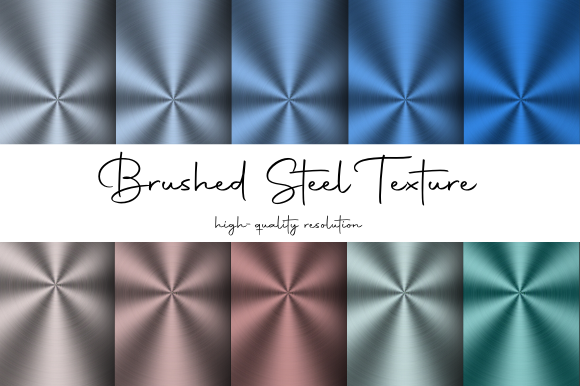
The collection under review offers two primary visual styles: regular brushed and radial brushed. The regular variant features linear striations, ideal for creating a sense of movement or directionality across a layout. It works exceptionally well for backgrounds where the eye needs to be guided horizontally or vertically. Conversely, the radial brushed version emanates from a central point, creating a spotlight effect or a sense of expansion. This makes it particularly effective for centering attention on a logo, product shot, or key headline.
Having access to both variations within a single package significantly enhances workflow efficiency. Instead of sourcing separate assets for different compositional needs, a designer can maintain visual consistency while adapting the texture to fit specific layout requirements.
Technical Specifications and File Quality
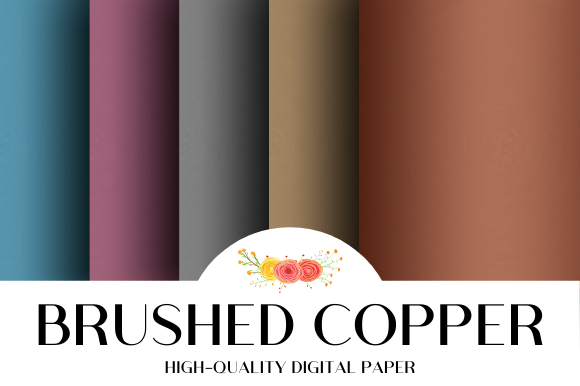
For any digital asset to be viable in a professional setting, its technical foundation must be robust. This package distinguishes itself through high-resolution output and versatile formatting. The core of the collection consists of 5 high-quality images, but the utility is expanded through the inclusion of multiple file formats: JPG, PNG, and PDF.
The resolution is a standout feature. Each image is rendered at 3000 x 3000 pixels with a density of 300 PPI (pixels per inch). In practical terms, this means the textures are not limited to screen use. They are print-ready, suitable for high-quality brochures, business cards, packaging, or large-format posters without suffering from pixelation or loss of detail. The RGB color space ensures accurate representation on digital displays, which is the primary medium for most contemporary marketing campaigns.
The inclusion of PNG files is particularly noteworthy for layering workflows. Unlike JPGs, which have a solid background, PNGs often allow for transparency (depending on the specific file setup), enabling designers to overlay the copper texture onto other colors or patterns without harsh rectangular borders. The PDF format adds another layer of utility, allowing for direct placement in vector-based software like Adobe Illustrator or InDesign, maintaining scalability and ease of integration into document layouts.
Versatility Across Color Variations
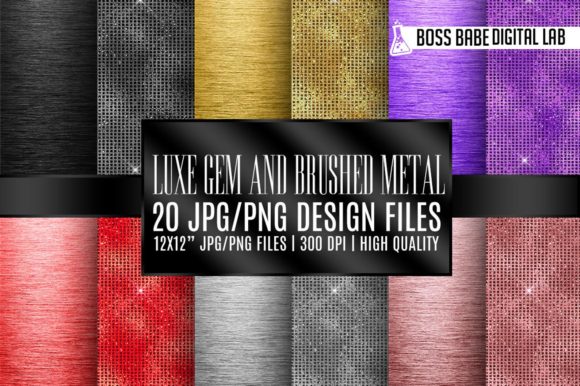
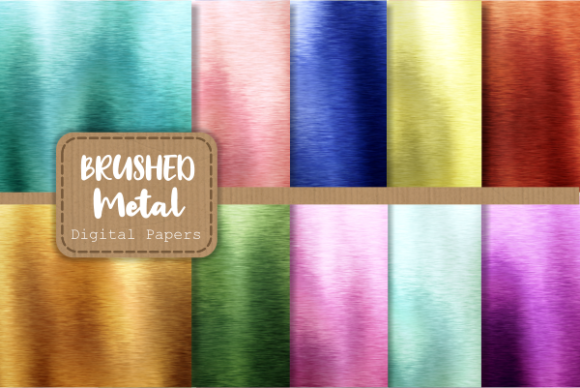
One of the common limitations of stock textures is rigid coloration. A "copper" texture that is too orange may clash with a brand's palette, while one that is too brown may look dated. This collection addresses that challenge by offering the textures in multiple colors. While the base material simulates copper, the ability to access variations allows for customization to match specific brand identities.
This flexibility is critical for marketers and entrepreneurs who need to align visual assets with strict brand guidelines. Whether the goal is a vibrant, polished look or a muted, antique finish, having a range of tonal options reduces the need for extensive post-processing. It allows the user to focus on composition rather than spending hours color-grading a single image to make it fit.
Practical Applications for Professionals
The utility of a Brushed Copper Texture Background extends far beyond simple decoration. Its application depends heavily on the industry and the intended message.
- Branding and Identity: For luxury brands, real estate firms, or high-end hospitality businesses, copper conveys exclusivity. Using these textures on business cards or letterheads can elevate the perceived value of the company.
- Digital Marketing: Social media graphics and website headers benefit from the depth these textures provide. In a feed dominated by flat colors, a subtle radial brushed copper background can make a promotional post stand out without being distracting.
- Packaging Design: The 300 DPI resolution makes these files suitable for mockups and actual print production. Simulating a metallic finish on packaging digitally allows clients to visualize the final product before committing to expensive foil stamping processes.
- Editorial and Publishing: Bloggers and publishers can use these as full-page backgrounds or section dividers to add a touch of sophistication to articles about finance, technology, or lifestyle.
Freelancers and agency owners will find particular value in the consistency of the pack. Because all five images share the same textural logic and quality standards, they can be used together in a multi-page presentation or a campaign series without jarring shifts in style.
Workflow Integration and Usability
From a usability perspective, the organization of these files supports a streamlined creative process. The distinction between regular and radial brushes allows for immediate selection based on the composition's focal point. If a design requires a background that pushes content to the sides, the radial version serves as a natural vignette. If the design relies on a horizontal flow, the linear brush provides the necessary structure.
The "digital paper" nature of these files means they are ready to drop into projects with minimal adjustment. For educators creating course materials or small business owners designing their own flyers, the learning curve is shallow. The high resolution ensures that even if the image is cropped significantly to fit a specific aspect ratio, the remaining detail remains sharp.
However, users should be aware of the lighting implications. Metallic textures rely on simulated light reflection. When placing text or other elements over these backgrounds, it is often necessary to add a slight drop shadow or an overlay to ensure readability. The reflective nature of copper can sometimes reduce contrast if white text is placed directly over a highlight area. This is not a flaw in the texture itself but a characteristic of the material being simulated, requiring a thoughtful approach to typography.
Long-Term Value and Asset Longevity
Trends in design fluctuate, but metallic textures have remained a staple in premium design for decades. Unlike neon gradients or specific pattern fads that may feel outdated within a year, a well-executed brushed metal texture retains its relevance. Investing in a high-quality pack like this offers long-term value because the assets can be revisited for future projects without appearing stale.
The total count of 30 files mentioned in the broader context of the package (likely accounting for the various color and format combinations) provides a substantial library. For a professional, having a reliable go-to folder for "metallic backgrounds" saves time during the initial phases of concept development. It eliminates the need to search through disparate stock sites, ensuring that the designer always has a consistent, high-quality option available.
Final Considerations for Buyers
When deciding whether this Brushed Copper Texture Background set fits your needs, consider the specific demands of your current and upcoming projects. If your work involves luxury positioning, tech hardware, or any field where warmth and precision are key themes, these assets are highly relevant.
The combination of high resolution, multiple formats, and varied brushing directions makes this a versatile tool rather than a single-use graphic. It is suited for those who value efficiency and quality, allowing them to produce professional-grade visuals without the overhead of creating complex textures from scratch. For the serious hobbyist or the seasoned pro, this collection represents a practical addition to the digital toolkit, bridging the gap between aesthetic ambition and technical execution.