Exploring the Versatility of Metal Seamless Pattern Design New 2020
In the ever-evolving landscape of digital aesthetics and industrial visualization, texture plays a pivotal role in conveying mood, durability, and sophistication. Among the most sought-after visual assets in recent years is the Metal Seamless Pattern Design New 2020. This collection represents more than just a trend; it signifies a shift towards hyper-realistic, high-fidelity materials that bridge the gap between digital illustration and physical reality. Whether you are a graphic designer crafting a futuristic interface, an architect visualizing a modern façade, or a business owner looking to elevate your brand presentation, understanding the nuances of these metallic textures is essential.
The term metal seamless pattern design new 2020 encompasses a wide array of styles, ranging from the sleek elegance of polished chrome to the rugged utility of distressed grunge. These designs are characterized by their ability to tile infinitely without visible seams, making them ideal for backgrounds, wallpapers, and large-scale advertisements. The versatility lies in the variety of finishes available: brushed aluminum offers a soft, matte sophistication, while glossy steel provides a sharp, reflective shine that catches the light dynamically.
The Anatomy of Modern Metallic Textures
To truly appreciate the value of these assets, one must look at the specific elements that define them. A high-quality metal seamless pattern design new 2020 is not merely a flat grey image; it is a complex interplay of light, shadow, and surface irregularity. Key characteristics include:
- Reflectivity and Shine: The ability of the material to mimic real-world metals like silver, gold, platinum, and titanium. This includes specular highlights that suggest a light source, adding depth to the image.
- Surface Texture: From the fine lines of a brushed finish to the geometric precision of a honeycomb mesh or a perforated grid. These textures add tactile quality to visual media.
- Structural Elements: Many designs incorporate industrial features such as rivets, holes, frames, and panels. These elements evoke a sense of strength, protection, and heavy-duty utility.
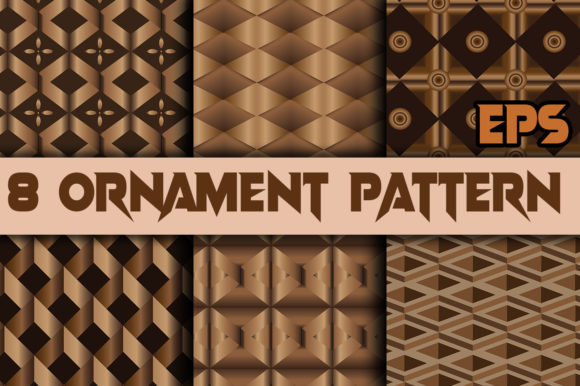
- Color Variation: While predominantly rooted in shades of grey, black, and silver, modern variations include carbon fiber weaves, oxidized copper tones, and even faded, stained effects for a vintage industrial look.
The inclusion of three-dimensional effects, such as vignettes and shadows, further enhances the realism. When used as a background, these patterns do not distract from foreground content but rather provide a sturdy, professional foundation that implies quality and resilience.
Applications Across Industries
The utility of metal seamless pattern design new 2020 extends far beyond simple decoration. Its application is deeply rooted in the psychological association of metal with strength, technology, and innovation. Here is how different sectors leverage these designs:
- Technology and Electronics: In the tech industry, the aesthetic of brushed aluminum and polished chrome is synonymous with premium hardware. Using these textures in product presentations, website headers, or app interfaces instantly communicates a "futuristic" and "high-tech" vibe. The clean lines and smooth surfaces mirror the design language of modern smartphones, laptops, and speakers.
- Automotive and Industrial Manufacturing: For companies involved in heavy machinery, automotive parts, or construction, grunge and distressed metal textures convey durability. A background featuring a steel plate with bolt holes or a carbon fiber weave suggests that the products are tough, reliable, and built to last.
- Advertising and Branding: Marketers often use these patterns to create a sense of luxury or exclusivity. A gold or platinum textured overlay can elevate a standard advertisement into a premium campaign. Similarly, the simplicity of a sparse, silvery grid can provide a modern, minimalist backdrop for luxury fashion or architectural firms.
- Gaming and Entertainment: Game developers utilize these seamless tiles to construct immersive environments. Whether it is the hull of a spaceship, the floor of a cyberpunk city, or the armor of a character, the realistic lighting and detailed mesh work found in the 2020 design collections allow for rich, believable worlds.
Evaluating Suitability for Your Projects
While the appeal of metallic textures is universal, selecting the right variation requires a strategic approach. Not every project benefits from a highly reflective, glossy finish. In fact, overusing shiny elements can lead to visual fatigue or reduce text legibility. When choosing a metal seamless pattern design new 2020 asset, consider the following factors:
Contrast and Readability: If the pattern is intended for a website background or a presentation slide containing text, opt for designs with lower contrast or those described as "sparse" or "faded." A heavily detailed distressed iron plate might look impressive on its own, but it can make white text difficult to read. In such cases, a smooth, brushed aluminum texture with a subtle horizontal grain is often a safer, more elegant choice.
Mood and Tone: The specific type of metal dictates the emotional response. Stainless steel and chrome feel cold, clinical, and precise—ideal for medical or scientific contexts. Conversely, grunge metal with stains and scratches evokes history, grit, and raw power, suitable for music albums or action-oriented branding. Carbon fiber suggests lightweight strength and aerodynamic efficiency, perfect for sports-related content.
Scalability: One of the primary advantages of vector-based or high-resolution raster versions of these patterns is their scalability. A true seamless pattern should hold up whether it is tiled across a massive billboard or shrunk down for a mobile screen icon. Ensure that the "holes," "mesh," and "grid" details remain crisp and do not pixelate when resized.
Practical Considerations and Limitations
Despite their versatility, there are limitations to keep in mind. The "heavy" and "hard" nature of metal imagery can sometimes feel impersonal or overly aggressive if not balanced with softer design elements like typography or organic shapes. For instance, pairing a rigid honeycomb grid with rounded, friendly fonts can create a pleasing visual tension that humanizes the industrial aesthetic.
Furthermore, lighting consistency is crucial. If you are compositing multiple images, ensure that the direction of the shine and shadow in your metal pattern matches the lighting of your other assets. A mismatch in light sources can break the illusion of realism, making the design look artificial rather than integrated.
It is also worth noting the evolution of these designs. The "New 2020" designation implies a move away from the overly generic, plastic-looking metals of the past toward more nuanced, physically based rendering (PBR) styles. These modern iterations account for micro-surface details, offering a level of elegance and sophistication that earlier generations lacked.
Conclusion: The Enduring Appeal of Metal
The Metal Seamless Pattern Design New 2020 collection stands as a testament to the enduring relationship between humanity and metal. From the earliest tools to the sleek devices of today, metal represents progress, strength, and refinement. By integrating these textures into your creative workflow, you tap into a visual language that speaks of reliability and modernity.
Whether you need a dark, moody backdrop for a cybersecurity firm, a brightly polished silver frame for a luxury jewelry ad, or a textured alloy sheet for an industrial catalog, the right pattern can transform a mundane layout into a compelling visual experience. As technology continues to advance, the demand for realistic, high-quality material simulations will only grow. Embracing these tools allows creators to push the boundaries of digital design, creating works that are not only seen but felt.
Ultimately, the goal is to enhance communication. A well-chosen metal texture does not just fill space; it sets the stage, defines the atmosphere, and reinforces the message. By understanding the diverse palette of finishes—from titanium to bronze, from smooth to distressed—you empower yourself to craft visuals that resonate deeply with your audience, proving that in the world of design, the surface matters just as much as the substance.