Evaluating Trendy Nature Texture Plant Tropical Assets for Modern Design
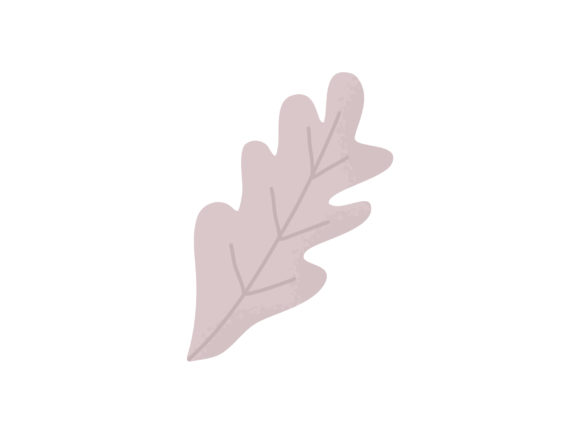
In the evolving landscape of digital design, the integration of organic elements has become a cornerstone for creating visually engaging and emotionally resonant projects. The concept of Trendy Nature Texture Plant Tropical refers to a specific category of graphic resources that blend contemporary aesthetic sensibilities with the raw beauty of botanical life. These assets typically encompass flat minimal simple leaves, trees, branches, and bushes, often rendered as vector illustrations or high-resolution textures. For designers, marketers, and content creators, understanding the utility and limitations of these elements is crucial when selecting the right visual language for a project.
The appeal of tropical foliage and nature textures lies in their versatility. Whether utilized in web design, packaging, interior decor mockups, or social media graphics, these elements offer a bridge between the digital and natural worlds. When evaluating these resources, one must consider not just the visual style but also the technical specifications, such as file types like EPS, JPG, and PNG, and how they align with specific production workflows.
Defining the Aesthetic: Minimalism Meets Organic Complexity
The term "trendy" in this context often points toward a shift away from hyper-realistic, cluttered illustrations toward cleaner, more stylized representations. Flat minimal simple leaves and geometric interpretations of trees, branches, and bushes allow for greater flexibility in layout design. Unlike detailed photographic assets, these vector-based or simplified raster images can be scaled, recolored, and rearranged without losing clarity or overwhelming the primary message of the design.
This aesthetic is particularly effective in creating a sense of calm and order. By stripping away unnecessary details, designers can highlight the essential shapes and silhouettes of tropical plants. This approach supports the "people-first" content guideline by ensuring that visuals enhance readability and user experience rather than distracting from it. The use of isolated natural outdoor fantasy design elements allows creators to construct bespoke environments that feel authentic yet curated.
Strategic Benefits of Using Tropical Vector Assets
There are several compelling reasons why a professional might choose to incorporate Trendy Nature Texture Plant Tropical elements into their workflow. The primary benefit is adaptability. Vector files, specifically those in EPS format, provide infinite scalability. This means a single asset can be used for a small mobile icon or a large-scale billboard without pixelation. For brands looking to maintain consistency across various media channels, this scalability is invaluable.
Furthermore, the isolation of these elements—where leaves, branches, and bushes are provided with transparent backgrounds (typically in PNG format)—streamlines the compositing process. Designers do not need to spend hours masking out backgrounds, allowing them to focus on composition and color theory. This efficiency is critical in fast-paced commercial environments where time-to-market is a key performance indicator.
Another significant advantage is the psychological impact. Tropical foliage evokes feelings of growth, vitality, and relaxation. In sectors such as wellness, hospitality, and eco-friendly products, these visual cues can subconsciously reinforce brand values. The "fantasy design" aspect allows for a touch of whimsy, making the brand appear innovative and forward-thinking while remaining grounded in natural themes.
Technical Considerations and File Format Selection
When selecting assets, understanding the differences between file types is essential for achieving the desired outcome. Each format serves a distinct purpose in the design ecosystem:
- EPS (Encapsulated PostScript): Ideal for print production and extensive editing. This format preserves vector data, allowing for the modification of anchor points, stroke weights, and colors. It is the preferred choice for logo design and large-format printing.
- PNG (Portable Network Graphics): Best for digital applications requiring transparency. High-resolution PNGs are perfect for web headers, app interfaces, and social media posts where a clean cutout of a leaf or branch is needed against a colored or textured background.
- JPG (Joint Photographic Experts Group): Suitable for photographic textures or when file size needs to be minimized for web loading speeds. While JPGs do not support transparency, they are excellent for background patterns or full-bleed images where the rectangular frame is acceptable.
Making the wrong choice here can lead to quality degradation or workflow bottlenecks. For instance, attempting to scale a low-resolution JPG for a print banner will result in a pixelated, unprofessional finish. Conversely, using complex EPS files for simple web icons may unnecessarily increase page load times if not optimized correctly.
Situational Fit: When to Choose This Style
The Trendy Nature Texture Plant Tropical style is a strong fit for projects aiming to convey freshness, sustainability, or modern elegance. It works exceptionally well for:
- Eco-conscious Branding: Companies promoting sustainable practices benefit from the immediate visual association with nature.
- Lifestyle and Wellness Apps: The calming effect of minimal botanical illustrations enhances user retention and engagement.
- Packaging Design: Simple leaf motifs on product packaging can differentiate items on crowded shelves, suggesting purity and organic ingredients.
- Interior Design Mockups: Architects and designers use these assets to visualize green spaces in residential or commercial proposals without needing photography.
In these scenarios, the balance between the "flat minimal" style and the "tropical" subject matter creates a sophisticated look that avoids the cliché of overly generic stock photography.
Evaluating Alternatives and Potential Tradeoffs
While the benefits are clear, this style is not universally applicable. There are situations where alternatives may be worth considering. If a project requires deep emotional storytelling through realistic imagery, such as a documentary about rainforest conservation, stylized vectors may feel too detached or artificial. In such cases, high-resolution photography or 3D rendered environments might better serve the narrative.
Additionally, the popularity of the "flat minimal" trend means that saturation is a risk. Because many designers utilize similar asset packs, there is a possibility of visual homogeneity. To mitigate this, creators should look for unique variations in texture and composition or combine these vectors with custom typography and color palettes to ensure brand distinctiveness.
Another tradeoff involves the level of customization required. While EPS files are editable, they still require a certain level of proficiency in vector software. Teams lacking these specific skills might find pre-rendered PNGs or JPGs more practical, even if it limits their creative flexibility.
Making an Informed Decision
Ultimately, determining whether Trendy Nature Texture Plant Tropical assets align with your goals depends on a careful evaluation of your project's requirements. Ask yourself: Does the minimalist aesthetic support my brand voice? Do I need the scalability of vectors, or are fixed-resolution images sufficient? Is the target audience likely to respond positively to stylized nature motifs?
By weighing the technical advantages of EPS, JPG, and PNG formats against the artistic demands of the project, designers can make informed choices. The goal is to select resources that not only look appealing but also function effectively within the intended medium. When used thoughtfully, these tropical and nature texture elements can elevate a design from ordinary to extraordinary, providing a timeless connection to the natural world while adhering to modern design principles.